What Is Backflow?
Backflow occurs when water flows in the opposite direction of its intended path. Instead of moving clean water into your home, pressure changes can cause contaminated water to flow backward into your pipes. This often occurs when there is a
drop in water pressure, such as during a major leak, pipe burst, or fire hydrant use. When this happens, pollutants or chemicals may enter your potable water supply.
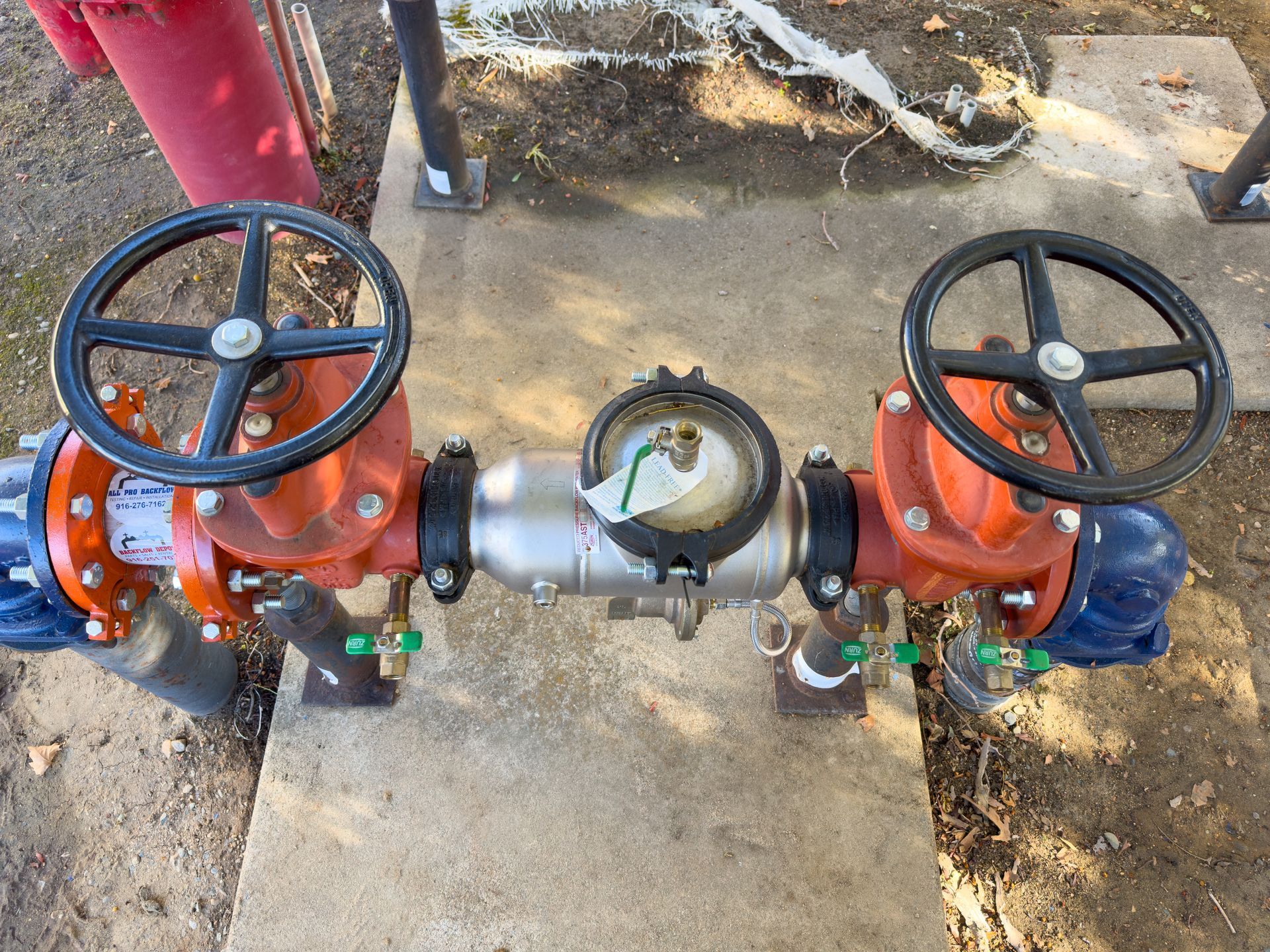
Backflow prevention devices are designed to stop this reversal and keep contaminants out of your drinking water. Regular
backflow testing ensures that these devices continue functioning correctly.
Why Backflow Testing Matters
Backflow can introduce harmful substances into your home’s water, including bacteria, chemicals, lawn fertilizers, and other pollutants. Keeping your system protected supports long term plumbing performance and safeguards your health. Many municipalities also require
to maintain compliance with local water regulations.
Monitoring
water safety standards helps homeowners understand the importance of routine testing and proper device installation.
How Backflow Testing Works
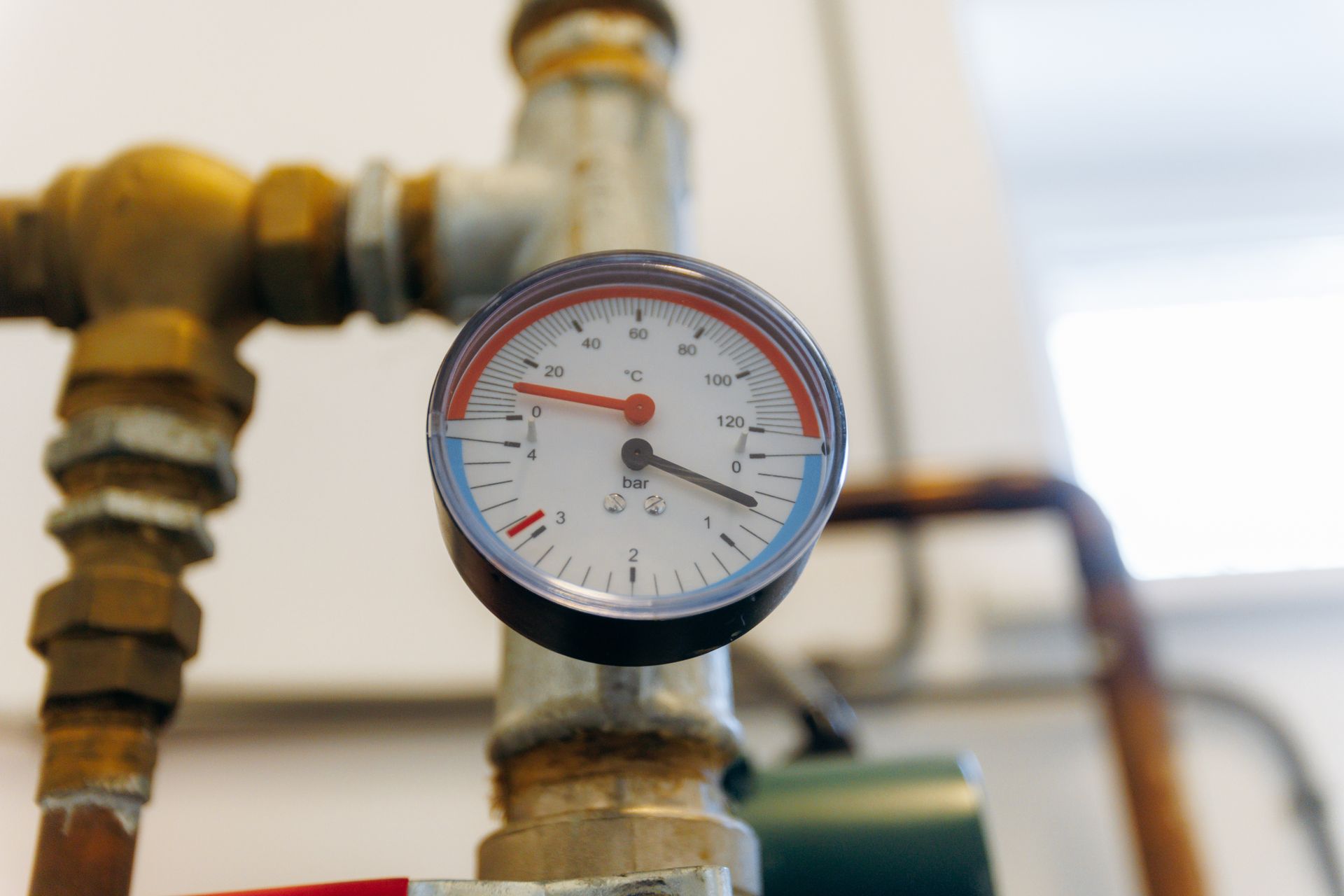
During a backflow test, a certified technician inspects and evaluates your backflow prevention device. The process includes checking for leaks, confirming valve performance, and identifying any weak spots that could allow contamination. Technicians may also measure pressure levels to ensure the device responds properly to sudden pressure changes.
If issues are found,
backflow repairs or adjustments may be needed to restore full protection.
How Often Should Backflow Testing Be Done?
Most homes and commercial properties should schedule
backflow testing once a year. Annual testing ensures your prevention device stays reliable and responsive to pressure fluctuations throughout every season. Systems that show signs of wear, corrosion, or frequent pressure changes may require additional inspections.
Many local water authorities recommend staying up to date with
cross connection control guidelines
to keep your plumbing system compliant and safe.
Signs Your Backflow Device Needs Attention
Even with routine testing, certain warning signs indicate your device may be failing. These include:
- Cloudy or discolored water
- Slow water flow
- Odd smells coming from faucets
- Visible leaks around the backflow device
- Frequent pressure drops within the plumbing system
If you notice any of these issues, request an inspection as soon as possible.
Conclusion
Regular
backflow testing is essential for protecting your home’s water supply and ensuring your plumbing system stays compliant with local safety standards. Whether you need testing, repairs, or installation, Buck Mechanical provides reliable service to keep your water safe and your plumbing system operating smoothly.