What Is Backflow and Why Testing Matters
Backflow
occurs when water flows in the opposite direction of its intended path, potentially allowing contaminants like chemicals, bacteria, or debris to enter the potable water supply. This can happen due to pressure changes caused by water main breaks, heavy usage, or fire suppression systems.
Routine
backflow testing verifies that your system is preventing contamination and complying with
backflow prevention regulations required by municipalities and water authorities.
Step One: Visual Inspection of the Backflow Device
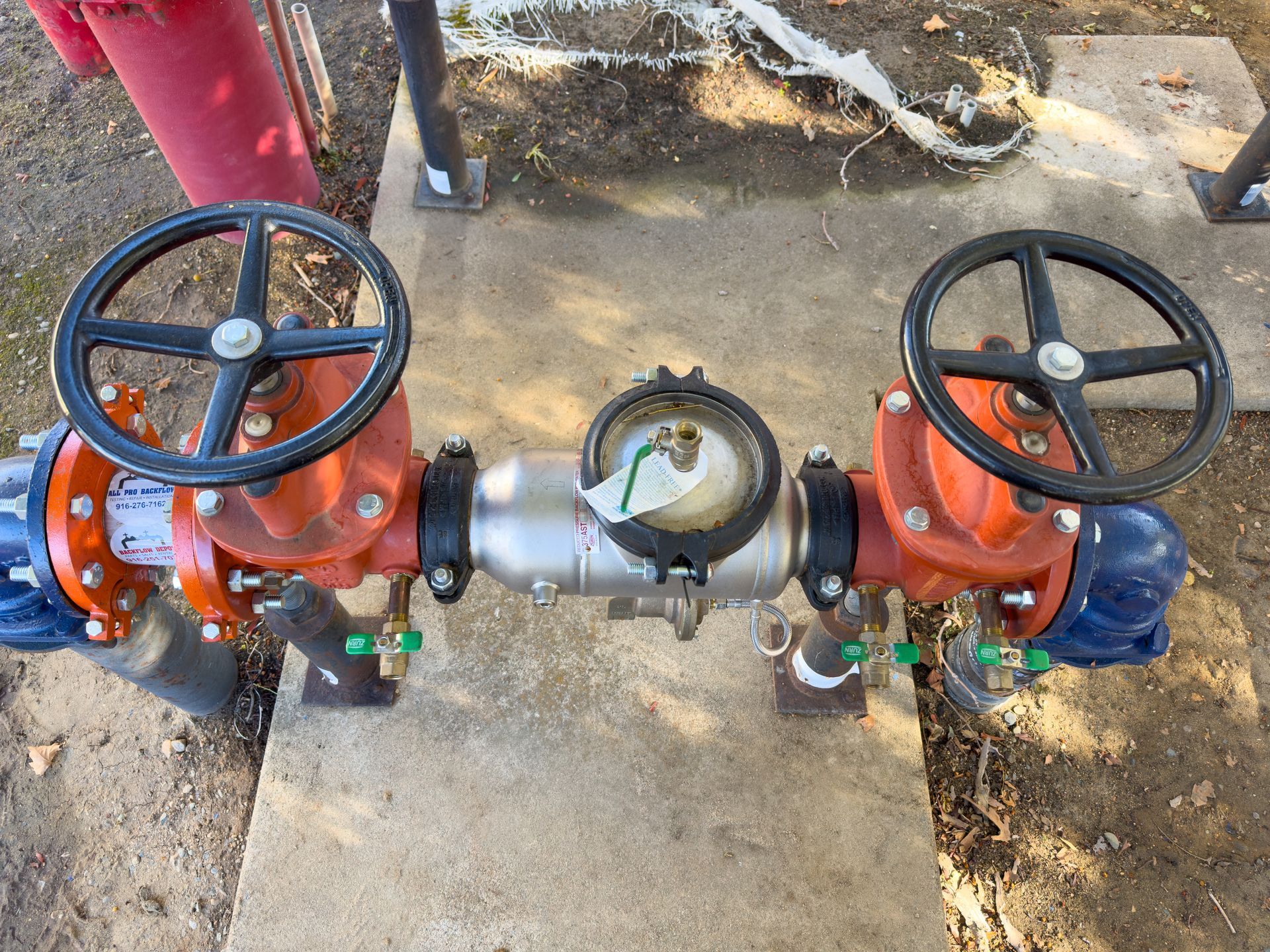
The process begins with a visual inspection of the
backflow prevention assembly. The technician checks for leaks, corrosion, missing parts, or physical damage. Valve positioning and accessibility are also evaluated to ensure the device meets
backflow inspection standards.
This step helps identify visible issues before functional testing begins.
Step Two: Pressure Testing and Valve Checks
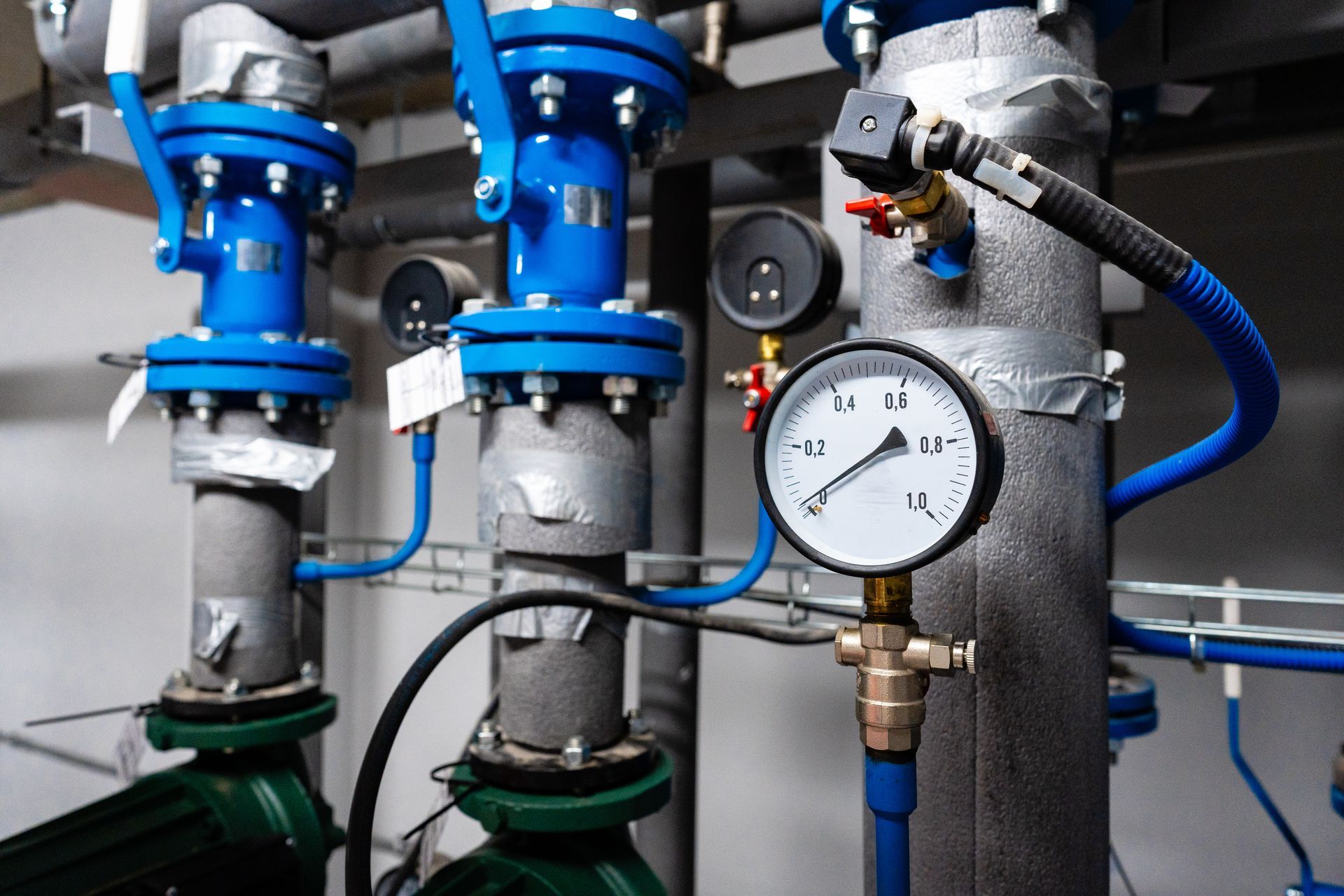
Using specialized gauges, the technician measures pressure levels within the device to confirm that internal check valves are functioning correctly. These tests determine whether the device is preventing water from reversing flow.
During this phase, the technician tests each component according to
backflow testing procedures to confirm compliance with safety thresholds.
Step Three: Identifying Failures or Deficiencies
If the device fails any part of the test, the technician documents the issue. Common problems include worn seals, stuck valves, or pressure imbalance. Failed tests indicate that the
backflow prevention system is no longer providing adequate protection.
When failures occur,
backflow repair services may be required before the system can pass reinspection.
Step Four: Documentation and Reporting
After testing is complete, results are recorded and submitted to the appropriate authority. Accurate
backflow test reports are required for regulatory compliance and future inspections.
Property owners typically receive a copy for their records, which may be needed for audits or permit renewals.
How Often Is Backflow Testing Required?
Most municipalities require
annual backflow testing, although frequency can vary based on system type and risk classification. Commercial properties, multi-unit buildings, irrigation systems, and fire suppression systems often have stricter requirements.
Staying current with
backflow compliance testing helps avoid fines, service interruptions, and potential liability.
Why Professional Backflow Testing Is Important
Backflow testing must be performed by a certified technician using calibrated equipment. Professional testing ensures accurate results, proper documentation, and adherence to local codes.
Working with an experienced provider like
Buck Mechanical helps ensure that testing, reporting, and any necessary repairs are handled correctly and efficiently.
Conclusion
A
backflow test is a structured process designed to protect clean water by confirming that backflow prevention devices are functioning properly. From visual inspections and pressure testing to documentation and compliance reporting, each step plays an important role in water safety. For reliable
backflow testing, inspections, and repairs,
Buck Mechanical provides professional service that helps keep plumbing systems compliant and secure.