What Is Backflow and Why It Matters
Backflow occurs when water flows in the opposite direction of its intended path, allowing contaminants to enter the potable water supply. This can happen due to pressure changes caused by events such as main breaks, heavy water usage, or firefighting activity.
In commercial settings, backflow can introduce chemicals, bacteria, or debris into drinking water, posing risks to employees, customers, and tenants.
How Backflow Prevention Devices Protect Commercial Properties
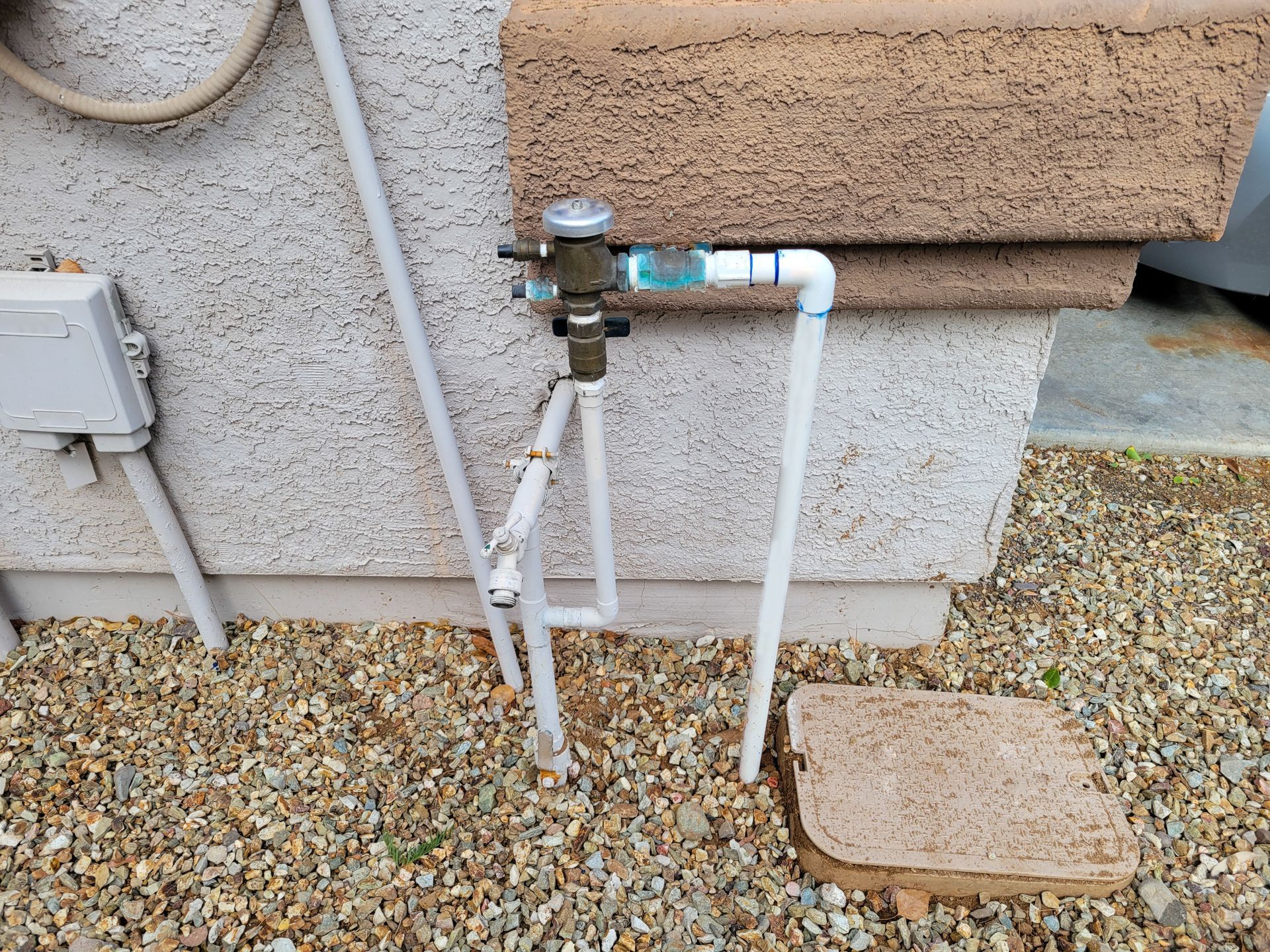
Backflow prevention devices are installed to stop contaminated water from reversing direction. These assemblies are designed to isolate clean water systems from potential hazards.
Over time, however, components can wear down or fail. Regular
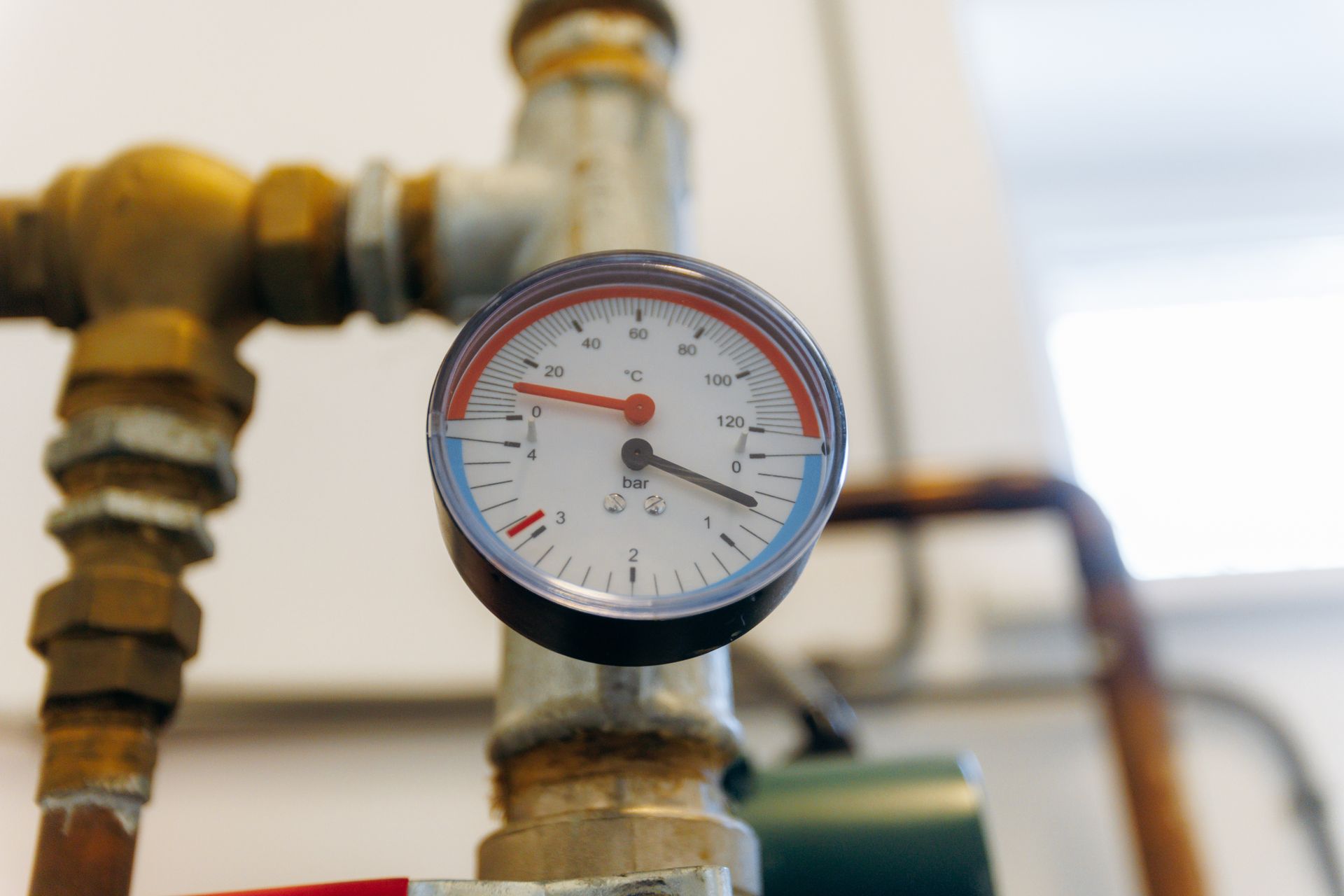
commercial backflow testing ensures these devices are functioning properly when they are needed most.
Why Backflow Testing Is Required for Commercial Buildings
Most municipalities require
annual backflow testing for commercial properties due to higher risk exposure. Facilities such as office buildings, restaurants, medical centers, apartment complexes, and industrial sites often use water systems that increase contamination risk.
Testing verifies compliance with local codes and helps avoid fines, service interruptions, or forced system shutdowns.
Health and Safety Risks of Skipping Backflow Testing
Failing to perform routine
backflow testing services can expose building occupants to unsafe water conditions. Potential risks include:
- exposure to harmful bacteria
- chemical contamination
- cross-connection hazards
- compromised drinking water quality
Routine testing is a preventative measure that protects both people and property.
Backflow Testing and Commercial Code Compliance
Commercial property owners are responsible for meeting local and state plumbing regulations.
certified backflow testing provides documented proof that systems meet safety standards.
Maintaining compliance reduces liability risk and demonstrates proactive building management.
How Often Should Commercial Backflow Testing Be Performed
Most commercial buildings require backflow testing once per year, though some systems may require more frequent inspection based on usage or risk level.
Staying ahead of testing schedules helps prevent last-minute issues and ensures uninterrupted water service.
Who Should Perform Commercial Backflow Testing
Backflow testing must be performed by trained and certified professionals who understand local codes and testing procedures. Proper testing includes inspection, pressure verification, and detailed reporting.
Working with experienced providers ensures accurate results and reliable documentation.
Protecting Your Building and Water Supply
Commercial buildings operate with complex plumbing systems that demand consistent oversight.
the importance of backflow testing for commercial buildings extends beyond compliance. It safeguards water quality, protects occupants, and reduces long-term risk.
Buck Mechanical provides professional
commercial backflow testing services designed to help property owners maintain safe, compliant water systems and avoid costly disruptions.